
Progressive Overload Explained
Progressive overload is the basic training principle behind getting stronger and building muscle. The idea is simple: over time, your body needs a reason to adapt. The execution is where most lifters either underdo it, rush it, or make it more complicated than it needs to be.
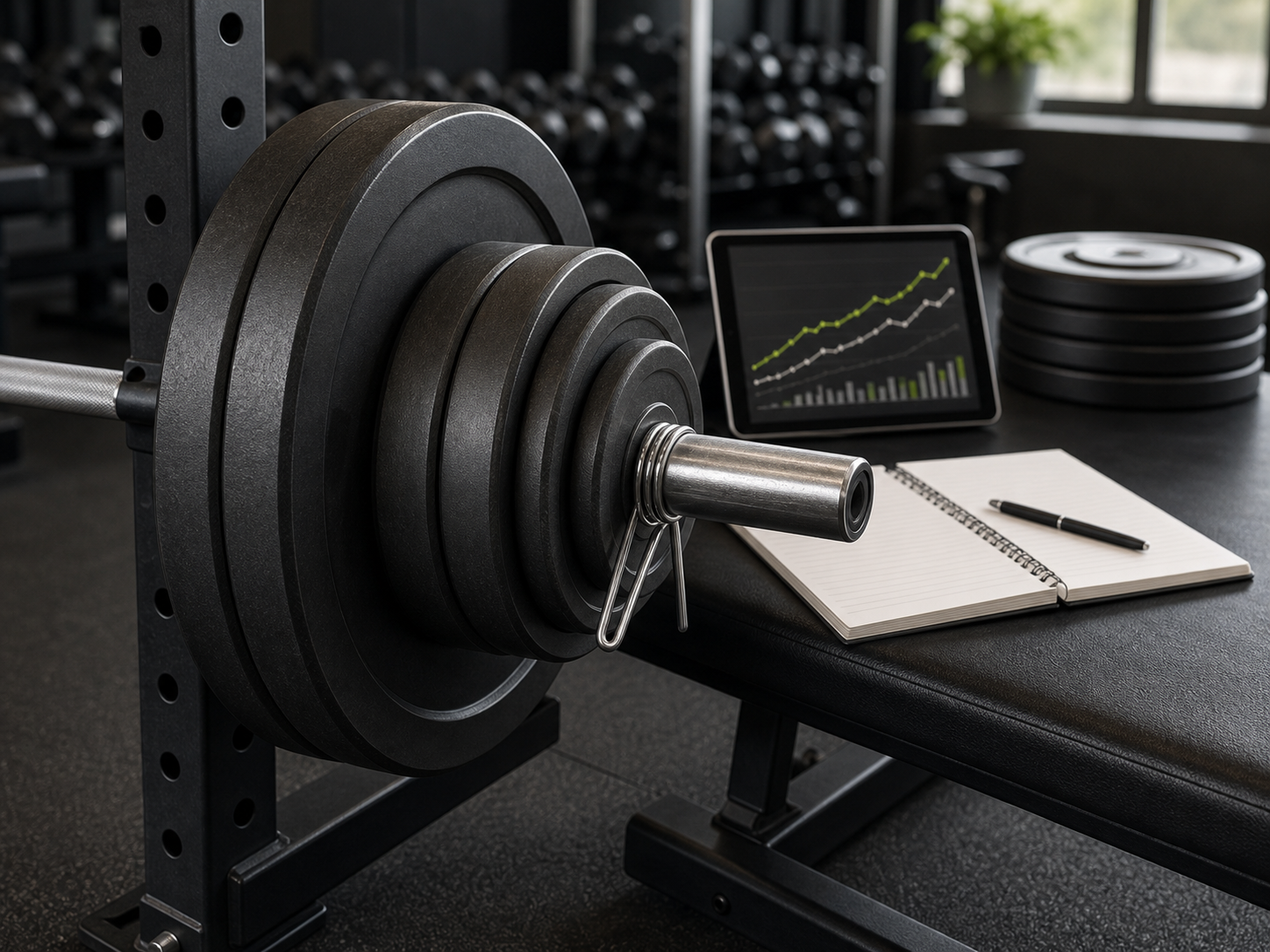
What progressive overload means
Progressive overload means gradually increasing the challenge your body has to adapt to. In lifting, that usually means doing more useful work over time while keeping technique, recovery, and intent under control.
The most obvious version is adding weight to the bar. If you squat 80kg for clean sets this month and 90kg for clean sets later, that is progressive overload.
But load is not the only lever. You can also add reps, add sets, improve range of motion, control tempo better, reduce rest slightly, improve technique, or make the same weight feel easier.
Why it works
Training is a signal. A hard set tells your body that it needs to be better prepared for that demand next time. With enough food, sleep, recovery, and repeated practice, that signal can turn into more strength, more skill, and more muscle.
If the signal never increases, progress eventually stalls. Doing the exact same easy workout forever mostly makes you good at maintaining that workout.
If the signal increases too aggressively, recovery gets buried. That is when joints complain, performance drops, and every session starts to feel like a negotiation.
The main ways to overload
Add weight when your reps, technique, and effort target are consistent. This is the cleanest option for big compound lifts, but it is not available every week forever.
Add reps before adding load. For example, move from 8 reps to 10 reps with the same weight, then increase the weight and rebuild from the lower end of the rep range.
Add sets when the exercise is productive and recovery is still good. More volume can help, but only if the extra sets are high quality and do not steal recovery from the rest of the week.
What does not count
Sloppy reps are not good overload. If the weight goes up but range of motion disappears, control vanishes, or every rep turns into a different exercise, the training signal is not what you think it is.
Grinding every session is not a plan. Max effort has a place, but living there makes progress fragile and hard to repeat.
More soreness is not automatically more progress. Soreness can happen after useful training, but chasing soreness usually just creates noise.
Use rep ranges
Rep ranges make progressive overload easier to manage. Pick a range, such as 6 to 10 reps, and keep the same weight until you can hit the top of the range with solid form.
Once you reach the top of the range across your planned sets, increase the weight slightly and let the reps drop back down. Then build them up again.
This gives you structure without forcing load jumps before you have earned them. It also works well for accessories where tiny improvements matter.
Track the right things
Track exercises, loads, reps, sets, and how hard the work felt. Without a log, progressive overload becomes guesswork with gym lighting.
Look for trends, not single-session miracles. One great session is useful, but repeatable progress across weeks is the actual signal.
If performance is flat for several weeks, check the basics first: sleep, food, stress, exercise order, technique, rest times, and whether your plan has too much junk volume.
Progress is not always linear
Beginners can often add weight or reps quickly because everything is new. As you get stronger, progress slows down and needs more patience.
Some weeks are about matching previous performance with better form. Some are about recovering. Some are about setting up the next push.
The goal is not to beat the logbook every single session at any cost. The goal is to create enough repeatable pressure that your body keeps adapting over months.
Progressive overload is controlled progression, not reckless escalation. Add load, reps, sets, or quality over time, track what you do, and let recovery decide how fast you push.